Acupuncture Treatments at AcuChiro
Acupuncture and Pregnancy
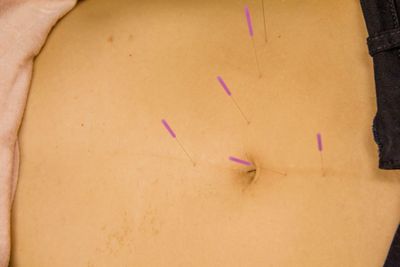
Pregnancy requires your body to work overtime to meet the needs of the growing life within you. Acupuncture is well suited to help you address the everyday challenges of digestive health, constipation, and colds. It can also provide relief from pregnancy-related nausea, respiratory and urinary infections, as well as pelvic pain, low back pain, upper back and neck pain, leg cramps, and even carpal tunnel syndrome.
Studies have shown that women who receive pregnancy acupuncture weekly in the last four weeks of pregnancy experience more comfortable labors with fewer medical interventions, such as pitocin, epidural injections, and cesarean sections.
Acupressure techniques are easy to learn and remarkably helpful during labor. Consider bringing your partner to your acupuncture treatment so they can learn the acupressure points for labor support.
Acupuncture can also assist with lactation problems, postpartum depression, and the various physical issues that often accompany new mothers, such as headache treatment and shoulder pain relief.
AcuChiro supports the health of the mind, body, and heart to come into balance during pregnancy, childbirth, motherhood, and at any time in your life.
Welcome to AcuChiro

Acupuncture and Shoulder Pain
Shoulder pain relief can be pursued through various methods, and one effective option is acupuncture. Shoulder pains can arise from numerous causes, including injuries or underlying health issues. Our shoulders are supported by a group of tendons known as the rotator cuff. If even one tendon is damaged, it can lead to a decrease in shoulder functionality, resulting in discomfort and pain for the patient. This situation often complicates recovery, making acupuncture a valuable treatment option for shoulder pain relief.
Acupuncture enhances blood circulation to the affected area, delivering vital nutrients and oxygen that promote healing. Additionally, chronic stress can worsen shoulder pain, and acupuncture serves to alleviate stress, fostering overall well-being and pain relief. Regular acupuncture sessions can help restore mobility and flexibility in the shoulder joint, enabling pain-free movement.
Moreover, acupuncture strengthens the immune system, allowing the body to better fight inflammation and infection, both of which can contribute to shoulder pain. By stimulating the body's natural healing processes, acupuncture can accelerate recovery from shoulder injuries. One of the key benefits of acupuncture is its ability to trigger the release of endorphins, the body's natural painkillers, providing immediate and lasting shoulder pain relief. By targeting specific muscle groups, acupuncture encourages muscle relaxation, reducing tension and strain in the affected area. It also stimulates the release of anti-inflammatory chemicals in the body, helping to alleviate inflammation and promote healing in the shoulder joint.
Muscle tension is a common cause of shoulder pain that can be effectively treated with acupuncture. Utilizing acupuncture needles on specific trigger points can help eliminate pain. Here’s a list of trigger points associated with shoulder pains:
- Anterior shoulder pain: Infraspinatus, deltoid, scalene, supraspinatus, pectoralis major/minor, biceps brachii, coracobrachialis, latissimus dorsi
- Posterior shoulder pain: Deltoid, levator scapulae, scalene, supraspinatus, teres major/minor, subscapularis, serratus posterior superior, latissimus dorsi, triceps, trapezius, iliocostalis.
In addition to shoulder pain relief, acupuncture can also be beneficial for conditions like carpal tunnel syndrome, digestive health, headache treatment, low back pain, and even pregnancy acupuncture.
Acupuncture and Headaches
Acupuncture seems to reduce the number of headache days and relieve pain and tension effectively. A recent study involving migraines found that acupuncture helped reduce the frequency of headaches, lessen the duration of painful episodes, alleviate pain, and prevent headaches from recurring. Participants noted experiencing fewer side effects compared to traditional migraine treatments, making acupuncture a viable option for headache treatment.
The speed at which a person can experience symptom improvement from acupuncture depends on the severity of their condition. Many individuals report significant symptom relief in as little as one to three acupuncture sessions. However, for others, it may take additional sessions to achieve their desired headache-relief results. There is a consensus that the effects of acupuncture are cumulative; patients tend to feel the full benefits of the treatment after a series of sessions over time.
Those suffering from tension headaches may find that acupuncture not only treats painful symptoms but also helps reduce stress and anxiety, which are primary triggers of tension headaches. Additionally, acupuncture can be beneficial for various conditions, including carpal tunnel syndrome, low back pain, and even support digestive health. For pregnant individuals, pregnancy acupuncture offers a safe way to manage discomfort, while those seeking shoulder pain relief may also find relief through this holistic approach.
Discover ACupuncture Services
Auriculotherapy (Ear Acupuncture)
The ear is a complete microsystem that plays a significant role in various acupuncture practices. On the external ear, there are acupuncture points that correspond to every part of the body, making it a self-contained system of treatment within the whole body. This is particularly beneficial for conditions such as carpal tunnel syndrome, low back pain, and even headache treatment.
From a Western medical viewpoint, the nervous innervations of the ear are the leading explanation of how and why ear acupuncture works. The nerves that innervate the ear connect with our internal organs and all parts of the body, including those related to digestive health. Applying pressure to the external ear stimulates these nerves, which travel to the central nervous system, promoting the release of neurotransmitters that alleviate pain.
The ear is also richly supplied with blood vessels. Auriculotherapy enhances peripheral blood flow, circulating more oxygen and nutrients throughout the body. Just like in full body acupuncture treatments, endorphins and enkephalins—our natural painkillers and 'feel-good' hormones—are elevated after auricular treatments, offering shoulder pain relief and improving overall wellness.
EAR NEEDLES VS. EAR SEEDS
Ear acupuncture involves the gentle placement of tiny, disposable needles into specific sites in each ear, which can also be used during pregnancy acupuncture for expectant mothers. These hair-thin needles are even smaller than those used for body acupuncture and remain in the ear for the duration of the treatment.
In contrast, ear seeds offer a completely non-invasive technique that activates the ear points by simply sticking onto the acupuncture points. These tiny, stick-on seeds can be made from actual seeds, metals like gold or silver, or crystals. Clients can safely apply a few ear seeds to some of the many recognized therapeutic ear points and utilize this self-healing modality at home!

Acupuncture and Low Back Pain
In May 2018, a team of researchers from the Acupuncture Trialists Collaboration published an updated study which concluded that acupuncture effectively relieved pain and improved mobility, particularly for conditions like low back pain and shoulder pain relief, in comparison to those who underwent sham acupuncture treatments. The researchers demonstrated that the effects of acupuncture persisted for at least 12 months after treatment, which adds to the growing body of literature suggesting acupuncture can be a viable treatment for chronic pain, including headache treatment and even carpal tunnel syndrome. However, the findings of this study cannot definitively address how each patient may have been affected by the placebo, given that significant changes were not observed in the group that received sham acupuncture treatments. Additional studies would be needed to draw conclusions regarding the effects of sham acupuncture. Furthermore, acupuncture has also been explored for its benefits in digestive health and pregnancy acupuncture, indicating its broad therapeutic potential.
Acupuncture and Stomach Pain
Do you suffer from IBS, Crohn’s disease, ulcerative colitis, or chronic constipation? If so, you know how these conditions can disrupt daily life. Imagine the freedom of not worrying about abdominal pain, bloating, or finding the nearest restroom at a crucial moment. Acupuncture enhances digestive health by balancing the body’s meridians, or energy pathways. By stimulating specific acupuncture points, it promotes better blood flow, reduces inflammation, and soothes common digestive symptoms such as bloating, constipation, diarrhea, and pain. Moreover, it calms the nervous system, easing the stress and anxiety that often worsen digestive issues. Whether you’re dealing with a chronic condition or occasional discomfort, acupuncture provides a natural, effective way to find relief from digestive disorders. Scientific research supports acupuncture’s effectiveness for digestive health. A 2015 review in the World Journal of Gastroenterology highlighted acupuncture’s ability to regulate gastrointestinal motility, reduce inflammation, and improve digestive symptoms. How Acupuncture Helps Digestive Disorders: Regulates Gastric Motility: Acupuncture improves the flow of food through the digestive tract, relieving bloating and constipation. Reduces Inflammation: It helps reduce inflammation in the digestive tract, which is particularly beneficial for conditions like Crohn’s disease and ulcerative colitis. Calms Gastrointestinal Sensitivity: By soothing the nerves in the gut, acupuncture eases bloating, pain, and irregular bowel movements. Balances the Brain-Gut Axis: Acupuncture harmonizes communication between the brain and digestive system, reducing stress-related flare-ups. Is Acupuncture Right for You? If you’re dealing with digestive disorders or discomfort, acupuncture offers a time-tested solution. Additionally, if you are seeking options for headache treatment, low back pain relief, or even shoulder pain relief, acupuncture may be beneficial. By addressing the root causes of digestive imbalances, it helps restore the body’s natural ability to process food, reduce inflammation, and ease discomfort. For those who are pregnant, pregnancy acupuncture can also provide significant benefits.

Acupuncture and Knee Pain
WHAT ARE THE CAUSES OF KNEE PAIN? Apart from medical conditions like arthritis and gout, knee pain can also be triggered by injuries such as a ruptured ligament or torn cartilage, muscular imbalances, and infections. Knee acupuncture is often an excellent treatment option and a good alternative to more invasive treatments like knee surgery. It works by loosening tight muscles, enabling the knee’s structure to return to normal. Acupuncture also reduces inflammation, promotes blood circulation, and helps release pain-relieving endorphins, making it beneficial for those suffering from knee pain as well as conditions like carpal tunnel syndrome. Acupuncture can help a wide range of patients, from athletes recovering from sports injuries to older adults managing arthritis. It is also effective for people with: Osteoarthritis or rheumatoid arthritis causing stiffness and swelling. Tendon or ligament injuries such as sprains or strains. Post-surgical recovery to reduce pain and speed healing. Chronic overuse pain from activities like running or prolonged standing, which can also affect low back pain and shoulder pain relief. Have you experienced a knee injury, or do you suffer from arthritis that makes it impossible to fully extend or flex your knee? Does your knee buckle under the full weight of your body? If you’re currently experiencing any of these symptoms, or any other persistent discomfort in your knee, we’re here to help. Additionally, our services include headache treatment, digestive health support, and pregnancy acupuncture to address various health concerns.
Acupuncture Treatments
Acupuncture and Foot Treatment
With a total of 38 bones, the foot contains more bones, tendons, and ligaments than any other part of the human body. The feet endure significant pressure daily through normal activities like walking, standing, and running. One of the leading causes of foot pain is improper footwear; high heels, boots, and similar types of shoes often don’t provide the support the feet need. Other common causes of foot pain include exercise, overuse, and health conditions such as diabetic neuropathy or hammertoes. Fortunately, treatment options like acupuncture can effectively address these issues and return the feet to normal, pain-free functioning. Additionally, acupuncture can also be beneficial for conditions like carpal tunnel syndrome and low back pain, showcasing its versatility in pain management.
Foot and ankle pain can arise from various issues, including:
- Sprains, strains, and ligament injuries
- Plantar fasciitis
- Achilles tendonitis or tendinopathy
- Stress fractures or overuse injuries
- Flat feet or poor foot mechanics
- Arthritis or joint degeneration
- Sports-related trauma or repetitive impact
You may be experiencing:
- Swelling, bruising, or tenderness in the foot or ankle
- Pain with walking, running, or bearing weight
- Stiffness or limited range of motion
- Sharp heel pain, especially in the morning
- Burning, tingling, or numbness in the foot
- Chronic instability or weakness in the ankle
Acupuncture for ankle and foot injuries works by:
- Enhancing blood flow to injured tissues
- Reducing inflammation and swelling
- Stimulating the release of endorphins and natural opioids
- Relaxing tight muscles and fascia
- Supporting tendon and ligament healing
- Improving proprioception and joint stability
Electroacupuncture has shown especially good results in treating chronic foot pain. In this practice, a practitioner passes a small electrical current through two needles before inserting them into the patient’s foot. The patient does not experience any discomfort because the needles are as thin as a human hair. In addition to reducing inflammation, this method helps to increase the normal flow of blood to the ankle, foot, and lower leg. Furthermore, acupuncture can also aid in headache treatment and provide pregnancy acupuncture to support expectant mothers. Utilizing these methods can lead to improved digestive health and shoulder pain relief, making acupuncture a valuable tool for overall well-being.
Carpal Tunnel Syndrome

Acupuncture and Carpal Tunnel Syndrome
Acupuncture and Carpal Tunnel Syndrome
Carpal Tunnel Syndrome (CTS) is caused by median nerve compression. The carpal tunnel is a small channel that contains ligaments at the end of the wrist. The median nerve enters the carpal tunnel and is responsible for sensation in the thumb, second, and third fingers on the palm of the hand. Various symptoms can result from compression of the median nerve in the carpal tunnel, including pain, burning, tingling, and numbness in the palm of the hand that sometimes extends into the elbow.
There are several ways in which compression of the median nerve is caused. Common conditions that can lead to CTS include arthritis, pregnancy, obesity, diabetes, and hypothyroidism. For pregnant individuals, pregnancy acupuncture can be a beneficial approach to managing symptoms. There is a broad range of treatments for carpal tunnel syndrome, tailored to the cause and severity of symptoms. For example, updating the workplace desk and chair may help maintain the wrist in a more neutral position. Nonsteroidal anti-inflammatory drugs can be used to reduce inflammation and decrease pain; however, these medications may come with side effects including gastrointestinal discomfort and possible stomach ulcers. Occasionally, those with more severe symptoms may choose to undergo surgery, which involves tearing the carpal tunnel to relieve pressure on the median nerve.
Complications of CTS include weakness and wasting of the muscles at the palm extending towards the thumb, potentially leading to decreased movement of the fingers.
Acupuncture is a noninvasive way to treat carpal tunnel syndrome and can also support digestive health and provide headache treatment. A recent study by Maeda, Kettner, et al., found that acupuncture has a positive effect on the brain. Acupuncture needles were inserted into specific local points for people with and without carpal tunnel syndrome, and brain activity was tracked simultaneously. The study found that the areas of the brain that control sensation had increased activity with acupuncture. For further information about acupuncture and its effects on the brain, visit: http://www.ncbi.nlm.nih.gov/pmc/articles/PMC3746237/
Another study by Khosrawi, Moghtaderi, et al., found that acupuncture is highly effective in treating mild to severe forms of carpal tunnel syndrome. The study compared several groups of patients with varying degrees of carpal tunnel pain, treating some with acupuncture and wrist splinting, while another group received vitamin B1, B6, wrist splinting, and sham acupuncture (performed at random points that would not benefit carpal tunnel symptoms). The group receiving acupuncture and wrist splints showed significantly better improvement in their carpal tunnel symptoms. For further information on acupuncture and its effect on carpal tunnel syndrome, visit: http://www.ncbi.nlm.nih.gov/pmc/articles/PMC3523426/.